
Technology, Ecology, and Urban Nature
Date and Time
Location
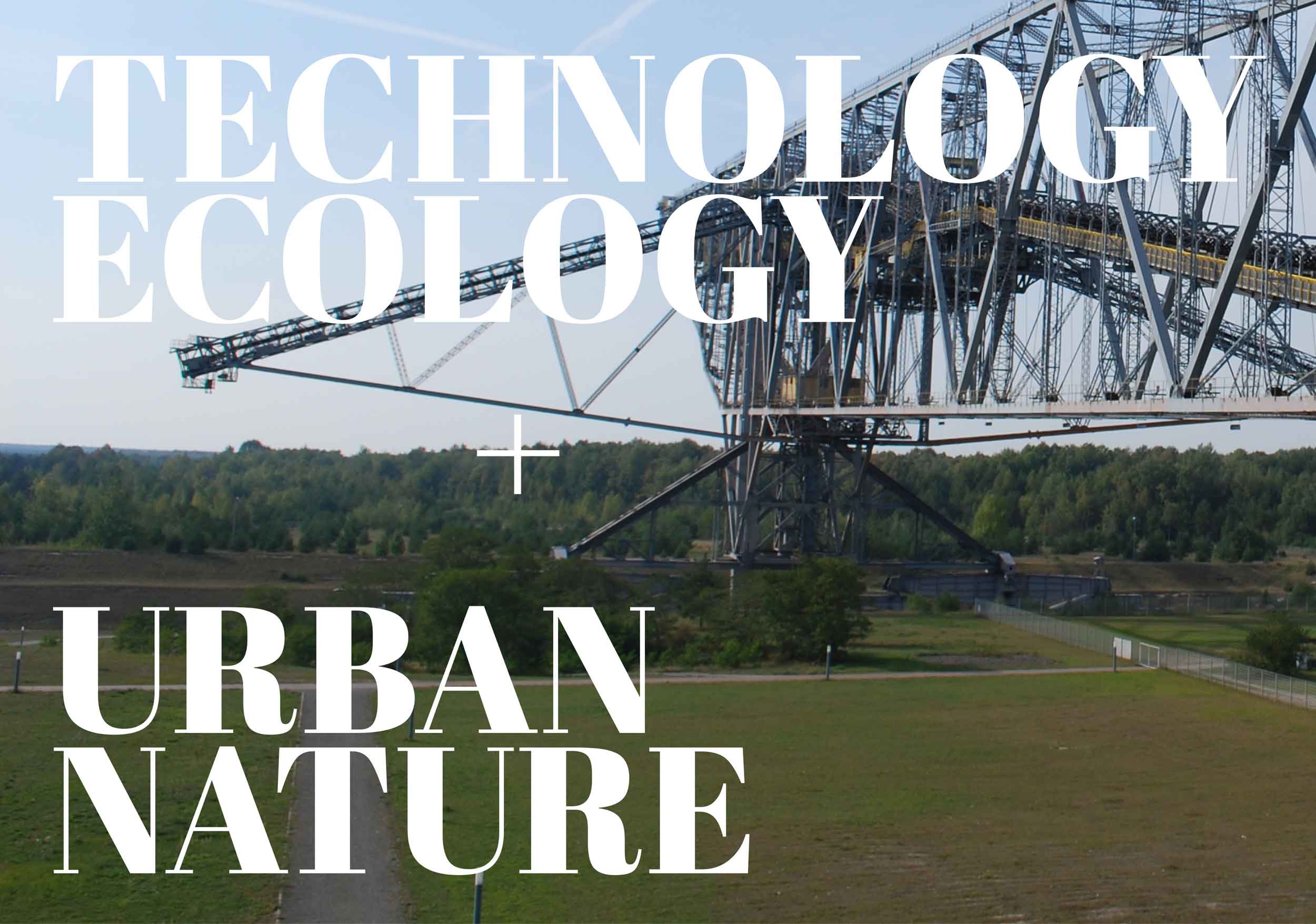
This event investigates changing theories of nature and the relationship of nature and technology, taking concrete examples of new public open spaces built on the sites of old and often abandoned infrastructure as a point of departure. It will address ideas of the “natural,” wastelands, new varieties of open space, and public engagement.
Case Study: Senftenberg/Lusatia
Presentation of the work of the Berlin Portal of The Harvard—Mellon Urban Initiative
Panel 1: Environmental Politics after Industry
Erik Swyngedouw, Prof. of Geography, School of Environment, Education and Development, University of Manchester
Hadas Steiner, Associate Professor, SUNY Buffalo
Moderated by Sonja Dümpelmann, Associate Professor of Landscape Architecture, Harvard GSD
Panel 2: Renaturing Used Landscapes in Theory and Practice
Graham Harman, Distinguished Professor, SCI-Arc
Jason W. Moore, Assistant Professor of Sociology, Binghamton University
Moderated by Robert Gerard Pietrusko, Assistant Prof. of Landscape Architecture & Urban Planning, Harvard GSD
Student and faculty researchers from The Harvard-Mellon Urban Initiative will open the event by presenting a case study on the post-socialist city of Senftenberg, Germany, and transformations of industrial spaces within the city. Following this, a panel of geographers and architectural theorists will present new modes of comprehension of nature and leisure through their own research sites. A second panel of cultural theorists will then discuss new ideas of the natural that have been introduced in the recent decades, such as those associated with the term ‘the Anthropocene,’ along with the Marxist critique of the same ideas. The theorists and philosophers will also respond to the dramatic variety of human interventions in the landscape as demonstrated in the opening case.
Register here